
When a pack-out is the right call
Not every loss needs one. Contents can often be cleaned in place after light smoke or a contained water event. A pack-out earns its cost when the structure itself needs work: flooring replacement, drywall demolition, whole-house odor treatment, or reconstruction that would put dust and trades on top of your furniture for weeks. It is also the right call when contents need specialty cleaning that cannot happen on site, like ozone treatment for textiles, electronics restoration, or document drying, and when security matters because the building will sit open to work crews.
The wrong version of this decision is common: contents shoved into a POD in the driveway, uninventoried, uncleaned, marinating in smoke odor through a Chicago summer. That is storage, not a pack-out.
How our pack-out works
- Walkthrough and scope with you
We flag high-value and sentimental items together, note pre-existing condition, and agree on what stays, what goes, and what is a likely total loss before anything moves.
- Item-level digital inventory
Each item and box is photographed and barcoded. You and your adjuster get the list; nothing leaves the house undocumented.
- Pack by trade standards
Dish packs, wardrobe boxes, custom crating for art and fragiles, furniture pads and shrink wrap. Crews trained for damaged-goods handling, not just moving.
- Transport to our Woodridge facility
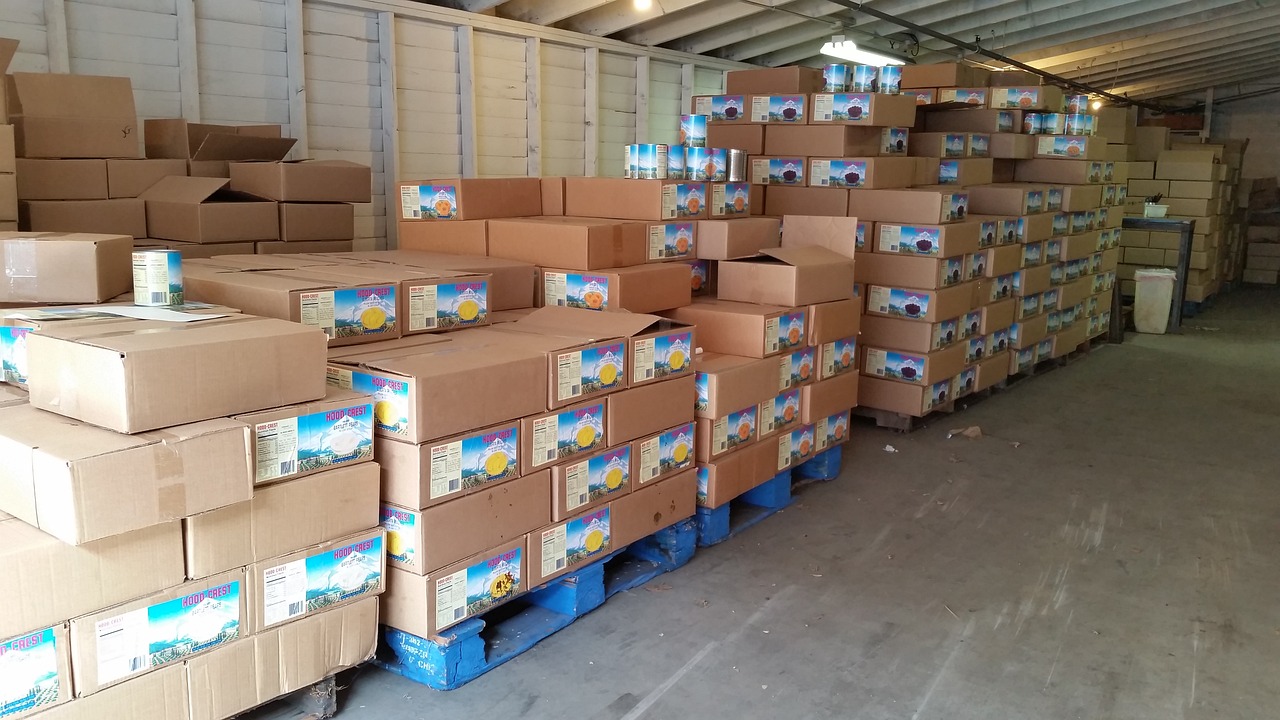
Climate-controlled, secured, and organized by claim, fifteen minutes from the city line, not a franchise warehouse three counties away.
- Clean and restore in-facility
Contents cleaning, deodorization, ozone treatment, and specialty restoration happen while your home is rebuilt, so both finish lines arrive together.
- Pack-back to placement
We return items room by room against the same barcoded inventory, to placement, not to a pile of boxes in the garage.

The inventory is the product
Ask any adjuster what separates a smooth contents claim from a two-month argument: the inventory. Our barcoded, photographed item list does three jobs at once. It proves what you owned and its condition, it tracks chain of custody so nothing is lost between house and warehouse, and it becomes the total-loss schedule for items that cannot be saved, priced line by line for your carrier. You get access to the same list we give the adjuster. Transparency is not a feature here; it is the whole point of hiring professionals instead of a moving crew.
Insurance and total-loss items
Contents coverage (Coverage C on a standard homeowner policy) typically pays for pack-out, storage, cleaning, and pack-back when the loss requires it, and separately pays for items that cannot be restored. Two things protect your payout: never discard anything before it is documented, and insist on restoration pricing versus replacement pricing item by item. Restoring a sofa at a third of replacement cost helps your coverage limits go further; replacing what could have been cleaned burns through them. Having spent 20 years in claims before founding this company, our owner built the process around what carriers actually pay for.
City logistics
Pack-outs in Chicago are a logistics sport: permit parking and loading zones, freight elevator reservations in condo buildings, alley access for two-flats, association certificates of insurance, winter weather windows. We handle the building management coordination and city parking arrangements ourselves, and our crews work high-rise, walk-up, and single-family jobs every week from the Loop to Naperville.