

The first fifteen minutes
- Shut the main
In most Chicago houses it is where the service enters the front foundation wall, near the meter. Every adult in the house should know this valve exists; tonight is a good night to check it turns.
- Open the lowest faucets
Draining pressure stops the spray and empties the lines feeding the break.
- Cut power to wet areas
Water inside walls finds outlets and fixtures. Flip breakers for affected rooms before touching anything.
- Move what water is heading toward
Furniture up on foil or blocks, electronics out, rugs pulled. Gravity is writing your contents claim in real time.
- Call restoration, then your carrier
Extraction within hours keeps a one-room loss from becoming a first-floor loss. Freeze bursts are covered perils on standard policies when heat was maintained; say so when you open the claim.
Why pipes burst here
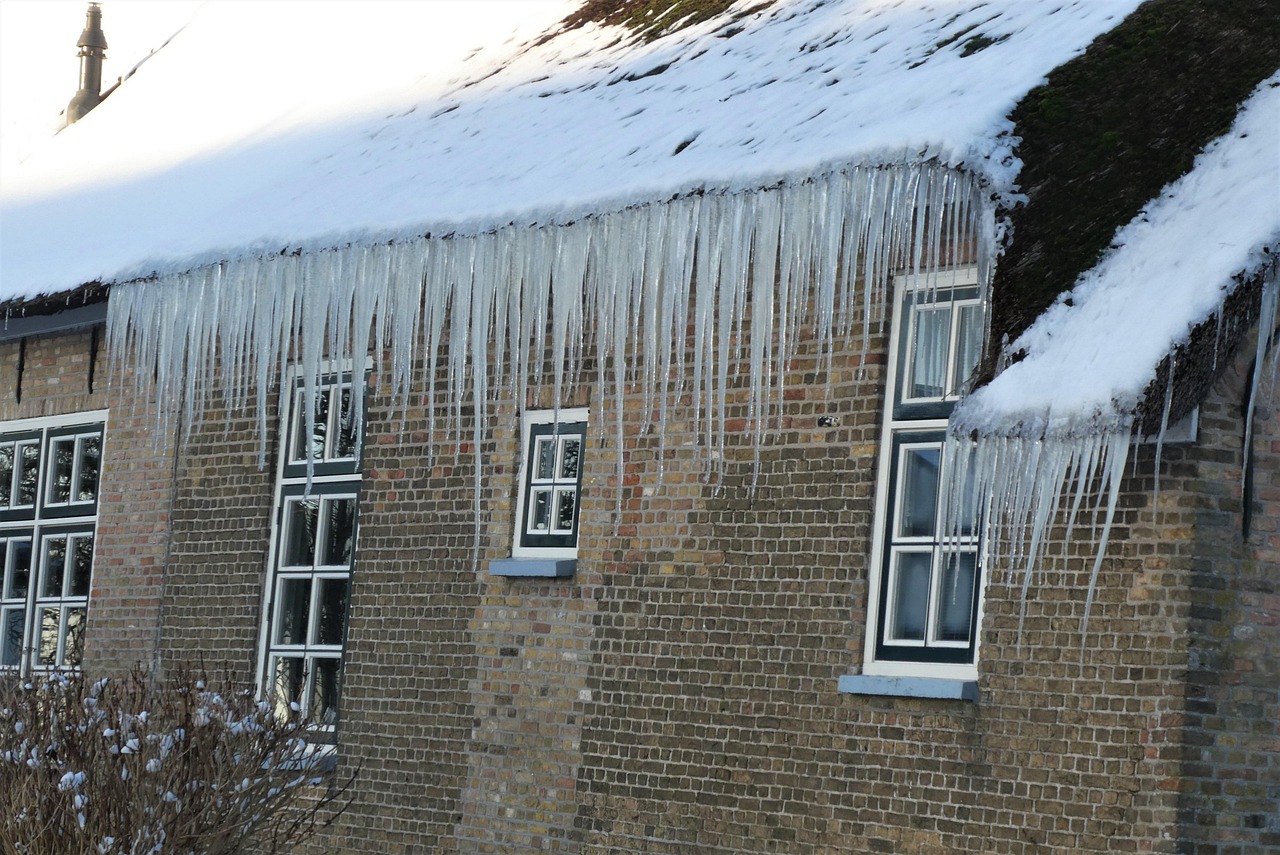
Water expands about nine percent when it freezes, and the burst usually is not even at the ice plug; pressure builds between the plug and a closed faucet until the pipe lets go somewhere weaker. Chicago's burst geography is predictable: supply lines in exterior walls and unheated crawl spaces, attic runs above the insulation line, hose bibs that were never winterized, radiator returns in drafty three-flats, and sprinkler lines in commercial spaces where the thermostat setback went too far over a holiday weekend. Wind chill matters as much as temperature; a minus-twenty wind finds every gap in century-old brick.
Drying it right
- Extract standing water
Truck-mounted extraction pulls the bulk out fast, including from carpet and pad worth saving after clean supply-water losses.
- Trace the water's full path
Moisture meters and thermal imaging map wet framing, insulation, and cavities two rooms away from the break. Water travels; drying that only treats the visible puddle fails.
- Open what must open
Baseboards off, targeted drywall openings, drilled cavity vents. Controlled openings now beat mold demolition in April.
- Dry to measured standard
Air movers and LGR dehumidifiers run against daily moisture readings until structure hits dry-standard numbers, typically three to five days.
- Document for the claim
Cause photos, moisture logs, drying reports, and a repair scope in adjuster format. This is the file that gets the claim paid without friction.
Frozen but not burst yet?
No water at a fixture on a subzero morning means ice somewhere in the run. Leave the faucet open, warm the suspect section gently, hair dryer, heat lamp, space heater at a distance, never open flame, and open cabinet doors on exterior-wall plumbing. If nothing moves within an hour, or you cannot find the frozen section, bring in help before pressure finds the weak point. Meanwhile, a pencil-thin stream running at the far fixture keeps water moving through the vulnerable run on the coldest nights.
Vacant units and travel season
The worst freeze losses we see are discovery losses: the two-flat owner who found the upstairs unit raining into the downstairs one, the family back from two weeks away to a collapsed kitchen ceiling. If a property sits empty in winter: heat stays at 55 or above, someone checks every few days (many policies require it for vacancies), the main gets shut and lines drained for longer vacancies, and a smart water sensor by the water heater and washing machine costs less than your deductible. Landlords: tenants should know where the main shutoff is; that one conversation has saved buildings.